

The most baffling paradox in modern enterprise is this: the Tax and Finance domain is the most deterministic field within a company, yet its level of automation remains embarrassingly low. According to the Thomson Reuters 2026 Corporate Tax Technology Report, a majority of departments are still stuck in a “reactive” state, even as global mandates like France 2026 make real-time reporting a requirement, not an option:
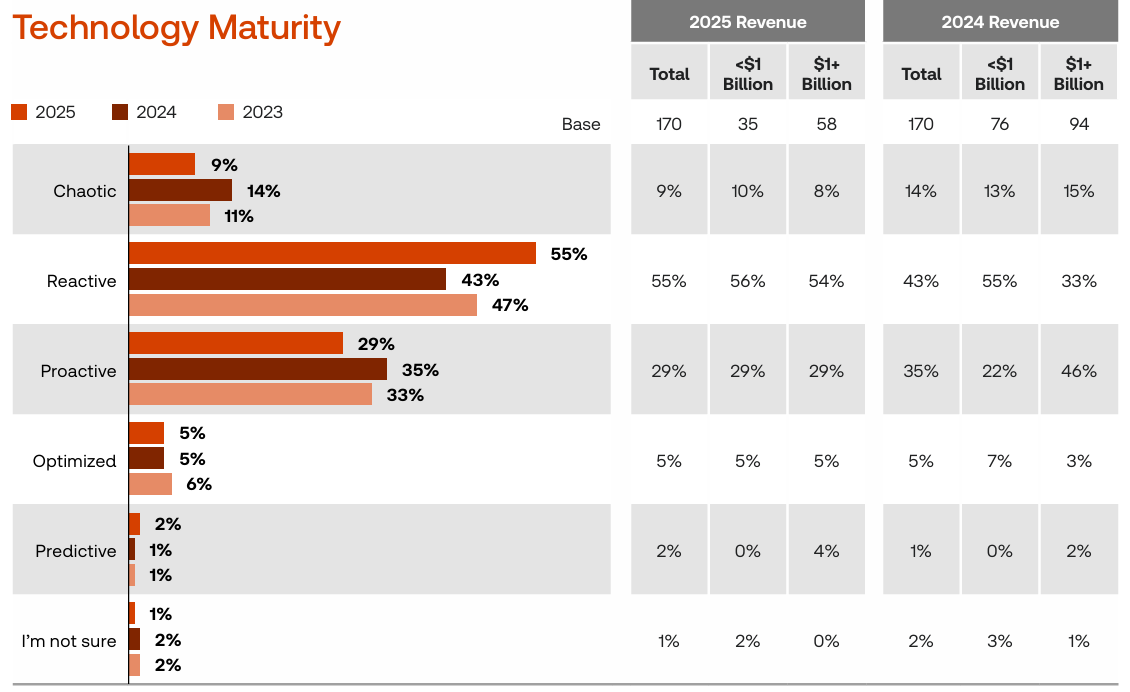
It looks like in a world governed by binary tax code and rigid regulatory frameworks, we are still burning through thousands of human hours on manual reconciliations.
The Structural Collapse of the Pyramid
For decades, Tax departments were built as pyramids: a massive base of junior staff handling the “routine banality” of data entry. That model is dead.
As PwC recently highlighted, we are shifting to a diamond-shaped talent structure. The base of manual preparation is shrinking. What is expanding is the center: a core of Financial AI Agent Orchestrators. In this new model, the "middle" expands with skilled professionals who don't prepare tax returns but orchestrate the AI agents that do.
The Shift: From “Worker” to “Orchestrator”
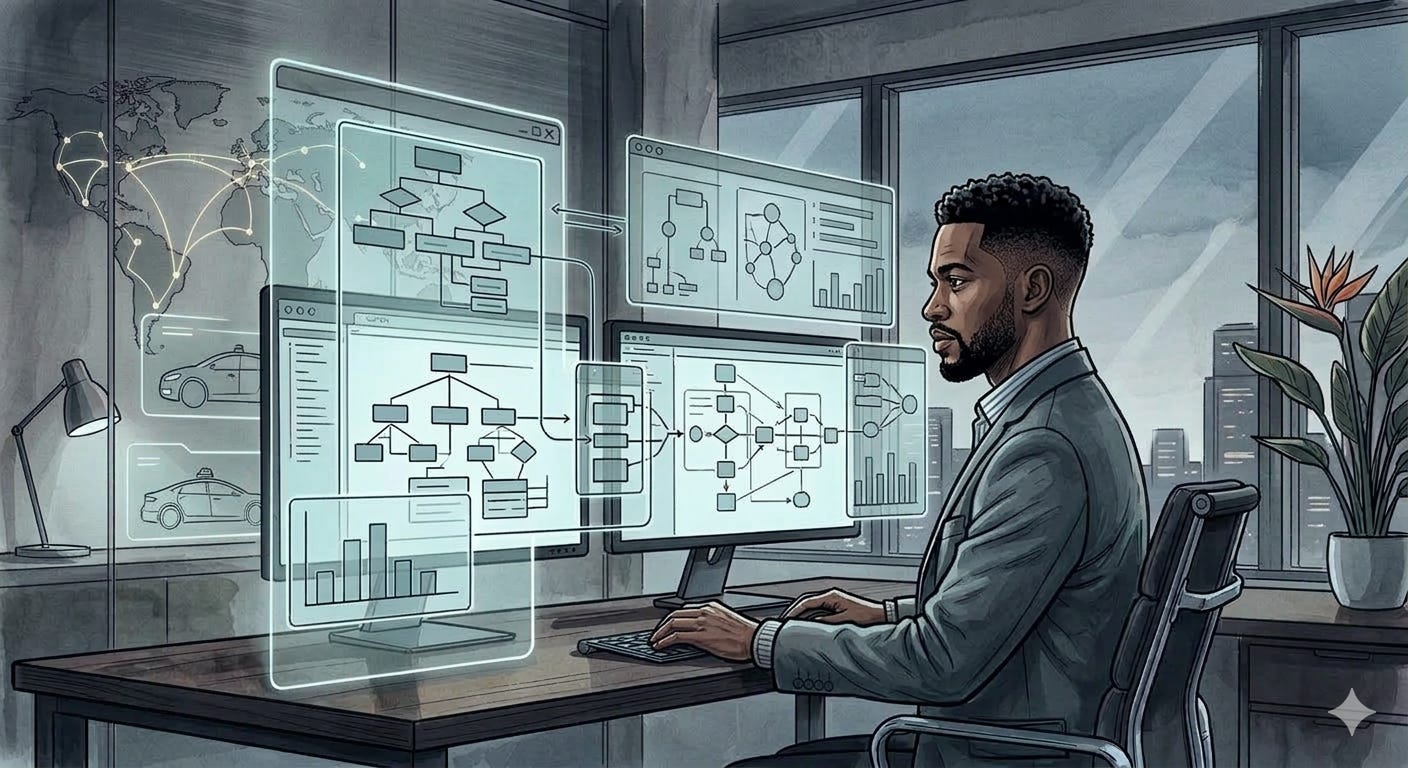
In a deterministic world, the “What” (the law) is fixed. The “How” (the implementation) is where the S&P 500s lose millions in efficiency. Here is how the high-growth tax team must evolve:
From Data Entry to Logic Design: Instead of fixing errors in a spreadsheet, the Orchestrator designs the logic gates that prevent the error from ever hitting the ERP.
From Reporting to “AI Ops”: We don’t need people to generate reports. We need professionals who can troubleshoot the automated engine, ensuring AI agents don’t hallucinate jurisdictional logic.
From Analysts to “Product Managers for Tax”: The most valuable hires won’t be tax specialists; they will be “multidisciplinary units” who can translate a regulatory update into a technical roadmap.
The 2026 Mandate for Tax Leaders
If your team is still spending 80% of their time on work that a script could do in 4 seconds, you are building a massive “human-heavy debt”. The world is moving to Continuous Transaction Controls. You cannot “human” your way through a 5-second API validation window.
Better start planning your tech stack and team skills now. The alternative is a “Compliance Brain” that eventually chokes your “Business Heart.”
Sources:
Thomson Reuters: 2026 Corporate Tax Technology Report
Deloitte: Tax Insights and Perspectives